
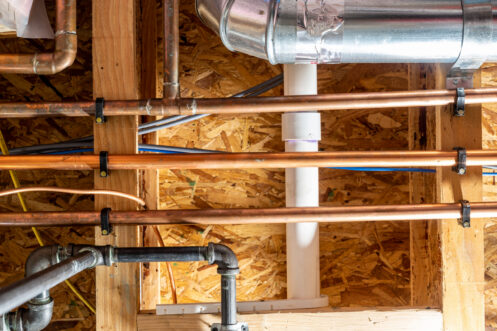
Winter does not always end when the snow melts. In many regions, early spring brings repeated freeze-thaw cycles that stress your plumbing system. As temperatures rise during the day and drop again at night, water inside pipes expands and contracts. This constant movement can create tiny cracks, loosen fittings, and weaken seals. The result often appears as small, hard-to-detect leaks that slowly cause damage over time.
How Freeze-Thaw Cycles Affect Your Plumbing
Water expands when it freezes. When this happens inside a pipe, it puts pressure on the pipe walls and joints. Even if a pipe does not burst during winter, repeated freezing and thawing can weaken its structure. Over time, this stress can create small fractures that may not show immediate signs of damage.
As temperatures warm, the ice melts, and water begins to flow again. These tiny cracks can then allow water to escape. Since the damage develops gradually, many homeowners do not notice the problem right away. This makes freeze-thaw cycles one of the most common causes of hidden plumbing leaks in early spring.
Where Tiny Leaks Are Most Likely to Form
Not all pipes face the same level of risk. Certain areas of your home are more exposed to cold temperatures and are more likely to develop leaks. Pipes located in unheated spaces such as basements, crawl spaces, garages, and attics face a higher risk. Exterior walls also expose pipes to fluctuating temperatures.
Outdoor plumbing fixtures, including hose bibs and irrigation lines, often take the brunt of winter conditions. These areas may develop small leaks that go unnoticed until water use increases in spring. Connections and joints represent another weak point. These areas experience more movement during expansion and contraction, which can lead to loosening or separation.
Early Signs of Freeze-Thaw Leak Damage
Tiny leaks do not always create obvious puddles. Instead, they often show subtle warning signs. A sudden increase in your water bill can indicate water loss somewhere in your system. Even a slow drip can add up over time. Damp spots, discoloration, or peeling paint on walls and ceilings may signal hidden moisture behind surfaces.
You may notice a musty smell in certain areas of your home. This often points to moisture buildup that has gone unnoticed. Low water pressure can also occur if leaks reduce the amount of water reaching your fixtures. Recognizing these signs early allows you to take action before the damage spreads.
Why Small Leaks Can Lead to Big Problems
It is easy to overlook a minor drip, but small leaks can create serious issues if left unaddressed. Water that escapes into walls or floors can damage building materials over time. This can weaken structural components and lead to expensive repairs. Moisture also creates the perfect environment for mold growth. Once mold develops, it can affect indoor air quality and require professional remediation. In addition, ongoing leaks increase water use, raise utility bills, and waste resources.
How to Detect Hidden Leaks in Your Home
Finding tiny leaks requires a methodical approach. Start by checking visible plumbing areas for signs of moisture or corrosion. Inspect any exposed pipes for small drips or residue that may indicate a slow leak. Pay close attention to joints and connections in your system. You can also do a water meter test. Turn off all water fixtures in your living space and check the meter. If it keeps moving, you most likely have a hidden leak. Listening for unusual sounds when fixtures are off can also help identify trouble spots.
Repairing Damage from Freeze-Thaw Cycles
Once you identify a leak, prompt repair helps prevent further damage. For minor leaks at fittings or joints, tightening connections or replacing worn seals can resolve the problem. If a pipe has a crack, replacing the damaged section provides a reliable solution. Temporary fixes, such as pipe repair tape or clamps, help control leaks until you can make more permanent repairs. In cases where multiple areas show damage, a comprehensive inspection may be necessary.
Prevent Future Freeze-Thaw Damage
Preventing future leaks starts with protecting your plumbing from temperature fluctuations. Insulating exposed pipes helps reduce the impact of freezing conditions. This keeps water at a more stable temperature and reduces stress on the pipe. Sealing gaps and cracks around your home prevents cold air from reaching vulnerable plumbing areas.
Disconnecting and draining outdoor hoses before winter helps protect exterior fixtures from freezing. Maintaining consistent indoor temperatures during cold weather also reduces the chance of freezing. These steps help to safeguard your plumbing system and minimize the risk of future damage.
Stay Ahead of Hidden Spring Leaks
Freeze-thaw cycles can leave behind damage that is easy to miss but costly to ignore. At PJ's Plumbing & Heating, we have a reputation for being a top plumbing company in the Bellgrade area. Contact us today to schedule an appointment for leak detection.